
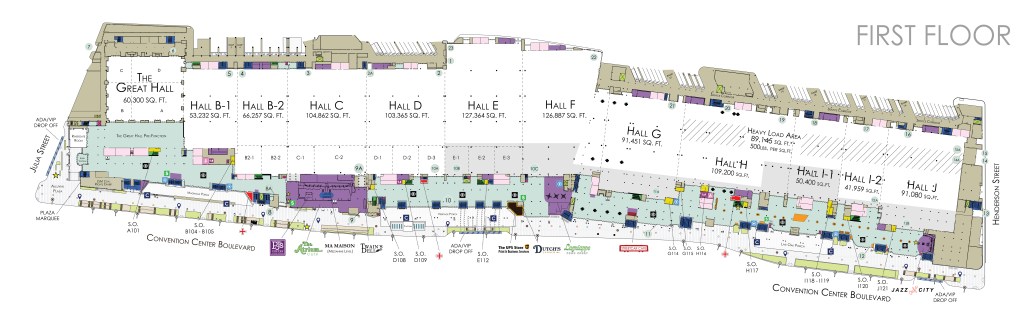
Humans have gathered in large groups to exchange ideas long before lanyards and continuing education credits. The Greeks had agoras, a mix of coffee shop, Reddit, and city hall. Roman forums played a similar role. Medieval trade fairs, royal courts, guild meetings … called many names, conventions have likely been a thing since agriculture became a thing. 12,000 years later here I sit, listening to the intricacies of pulmonary hypertension, with 1,500 of my closest friends.
The modern convention likely owes something to the 1851 Great Exhibition of the Works of Industry of All Nations, held in London’s Hyde Park under the patronage of Prince Albert and the Royal Commission. Some 6 million people attended. That would be considered remarkable attendance today, but for 1851 it must have been a gobsmacking crowd size. The Crystal Palace, let’s call it the first proto-convention center, was about 990,000 square feet, a once inconceivably large indoor structure. Here, the formula modern conventions still use was written: build a large, flexible venue, attract a traveling audience, add spectacle, and encourage everyone to drop bazillions of dollars.
By the mid-1900s, many factors came together to propel conventions into a multi-billion dollar industry. More professional organizations formed. Travel became cheaper and faster, at first by rail and then by plane. A middle class with discretionary income developed. Large corporations began to dominate the economy, with budgets to send their employees away to either hawk products and services or consume products and services.
Turns out there is money to be made by bringing people together, to do what we’ve been doing for several millennia already. A lot of money, in fact. For New Orleans, it’s 35% of the city’s annual operating budget. The Morial Convention Center alone generated more than $800 million in local business sales in 2023.
Cities compete for conference business fiercely. New Orleans has a pretty good shtick going. Las Vegas has a lock on spectacle, gambling, and whatever we are politely calling nightlife. New Orleans went with spectacle, food, and culture. Seafood boils, voodoo, airboat rides, beignets, jazz, marching bands … it’s a lot. Oh, and Bourbon Street, a cultural institution in its own class.
Conventions have endured, despite the enshitification of our world, various economic downturns, COVID-19, or cheap communication technology offering easier alternatives that admittedly suck, like Zoom or Teams. Sitting in uncomfortable furniture, admiring the carpet, it’s not hard to understand why.
Most mammals are social creatures. Humans found a way to monetize that – it’s what humans do – but connection is important to us. We are tribal and like moving with others in our group. For a moment we are free from the routines of our normal lives and travel to a foreign land to engage with the possible. We are reminded that our professions are larger than our individual view. Plus, zero placental tissue, which after weeks of OB/GYN was not nothing.
Strip away the spectacle, the forced keynote speeches, tote bags, lanyards, and aggressively mediocre coffee, what remains is a very ancient tradition that sustains us.
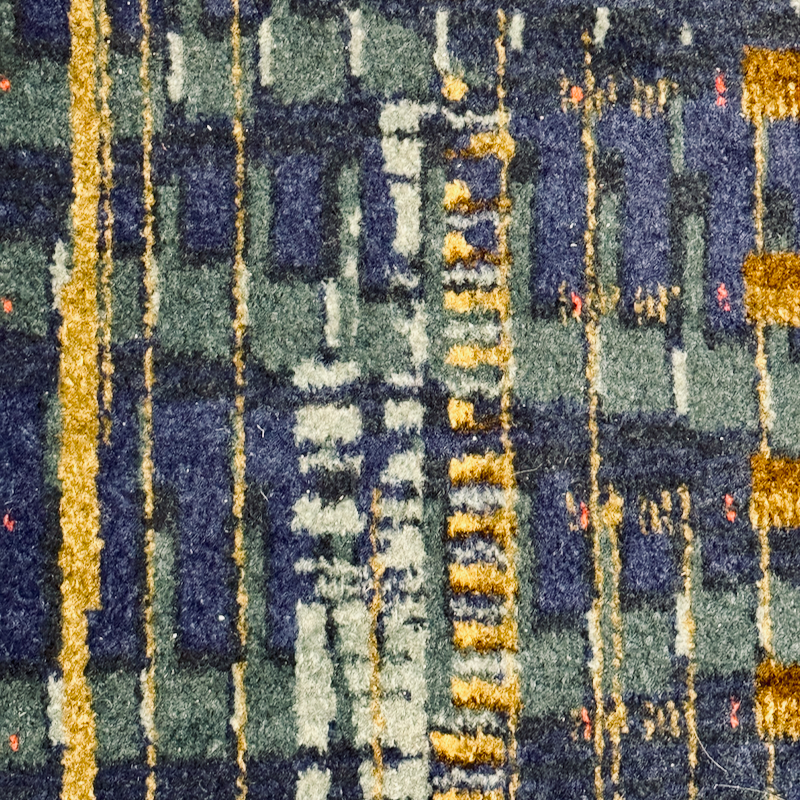
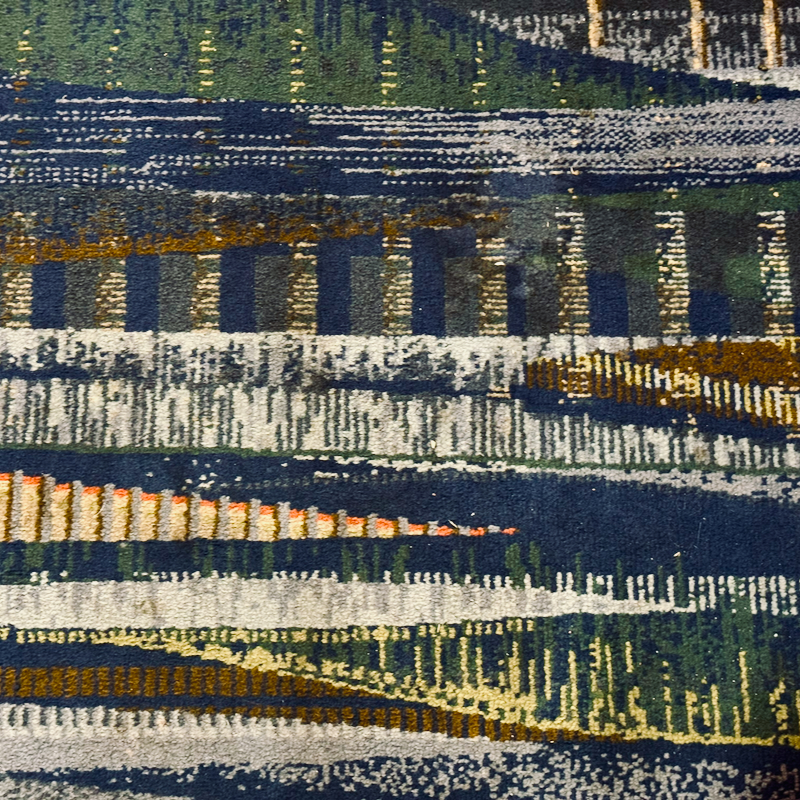
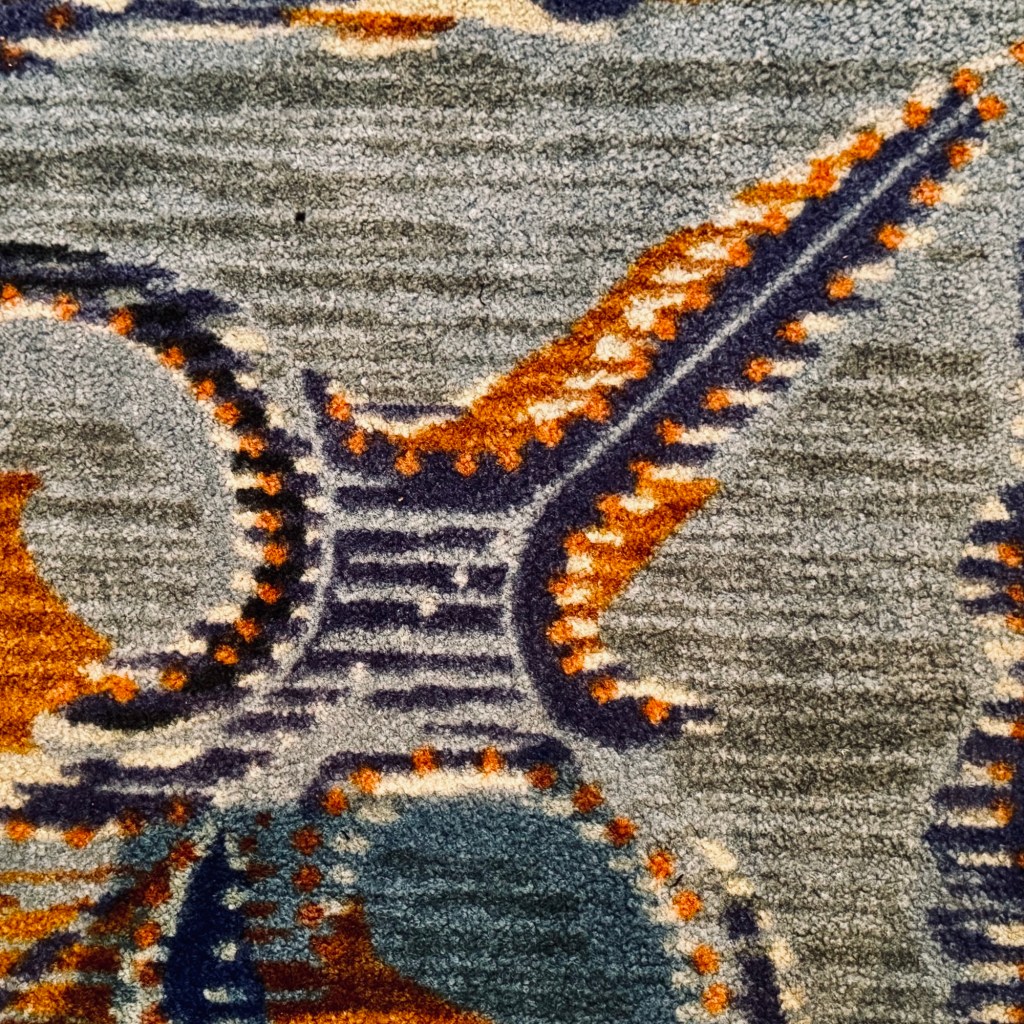
Modern humans did add their own flair, though. Hopefully history won’t judge us too harshly for our flooring choices.
Convention Center Carpeting







You must be logged in to post a comment.