
The highs and lows of Physician Assistant school continue. Lows include: failing my first exam, losing the race for class president, my continued streak of academic mediocrity, getting verbally assaulted by patients in the ER, and getting called to the principal’s office because I made an inappropriate joke in a no-inappropriate jokes area. Highs include: the semester ending.

I exaggerate. Nobody passes every exam, and there’s a system in place for re-takes. While I lost the race for class president, the person elected will do great. Also I think the constituency (mostly young females) is tired of old white men running things, so I chose to see my loss as a positive sign for the future. My GPA is average, sure, but I raised it substantially this semester and it ultimately doesn’t matter when applying for jobs. Unless I really bomb summer semester, I am guaranteed to pass didactic year with a high enough GPA to move on to clinical year. As for my mouth getting me into trouble, I’m guessing everyone reading this is wondering how it took so long. Frankly, I am surprised too.
First semester was difficult. Going from entitled, balding, pudgy career changer to entitled, intrepid medical student was neither easy or pleasant. Sometime midway through winter, I noticed a shift. I began to see larger parts of the whole instead of isolated pieces.
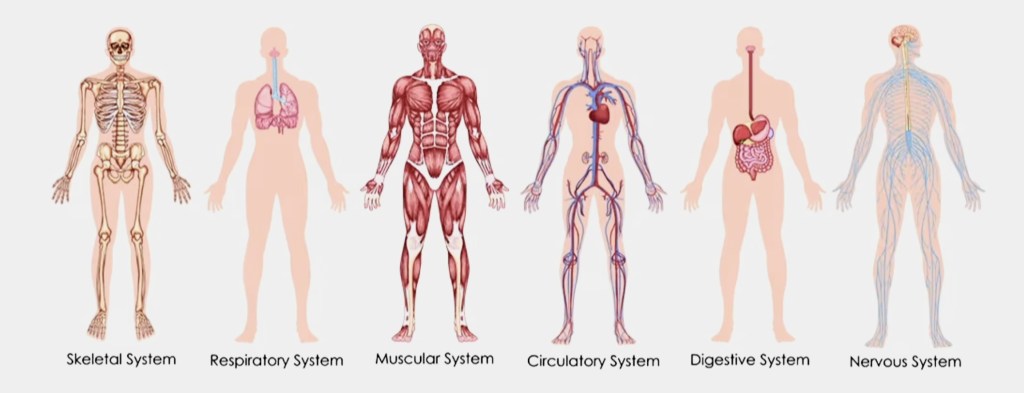
We think of medicine as discreet specialities in, more or less, discreet systems — nervous, circulatory, musculoskeletal, etc. We learned this approach in primary school, but the categorization is largely made up for the sake of teaching. The human body is not modular groups of distinct subsystems smashed together operating independently. It’s more like an elaborate tapestry. You pull at one string over here, and an effect happens over there. Damage there causes an unraveling over here.
When things go awry with the human body, a rippling of predictable consequences occur in various organ systems. I have begun to see patterns. Until recently every disease I learned was a unique entity with unique consequences. That’s an exhausting approach. I know, because I am exhausted. As I have learned more, the interconnectedness of the body has grown clearer. Diseases are not always completely distinct. Many are subtle variations on a theme. The consequences of disease are not unique either. My professors see much of the tapestry, and it’s neat to see their minds connect symptoms, medical histories, and lab test results with particular pathologies.

Like the economy (another thing I find fascinating), the human body is an incredibly complex system we superficially understand. The variables affecting it must number in the trillions, and I’m just guessing at that. Modern medicine, a very young profession, has come to understand only some of the more impactful variables and their consequences. It’s not a quick process. Look how long it took us to understand the links between smoking and lung disease. That’s a lot more obvious than, for example, the interactions of hormones on specific receptors at the cellular level driving a disease process due to an idiosyncratic mix of genetic susceptibility and environment.
Perhaps the high this semester was beginning to feel like a real medical provider instead of a clueless, overwhelmed student. To see the human body as connected, and to tread along those connections searching for answers of diagnosis and treatment, is a high. This journey started in Summer of 2020, leading to this moment. Respectfully, it’s about damn time.
In case you are wondering, I am not growing more fond of Brooklyn as time passes.
Enough about me. We depart for Hawaii tomorrow morning.
 Cleared for Departure
One response to “Navigating the Downs and More Downs of PA School”
That’s fun! I’m starting to see buildings the same way, the more I write technical documents about the whole building, not just the interior of it. I’m starting to think of things less in terms of products and more in terms of assemblies – systems of products that function together.
LikeLike