I apologize for the last email’s pictures. I realized after posting the formatting was off. I tried doing something a little fancy and it backfired. To see the corrected post and pictures, click here to visit on the web.
Quality control officer
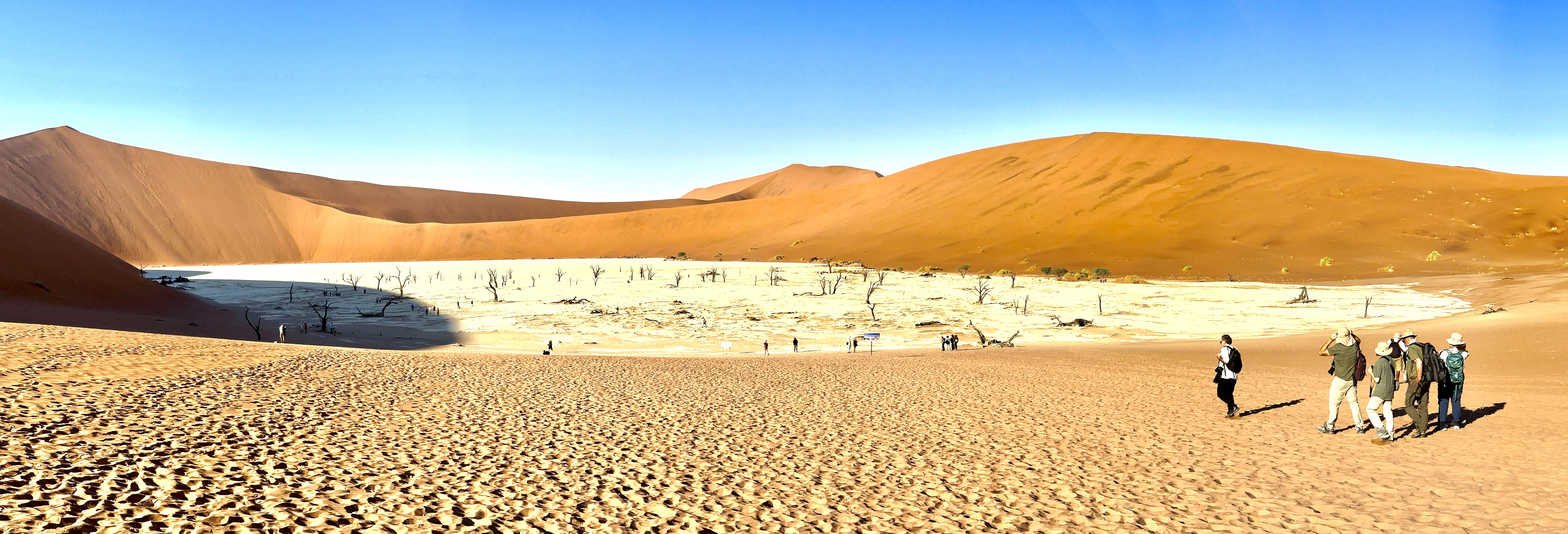
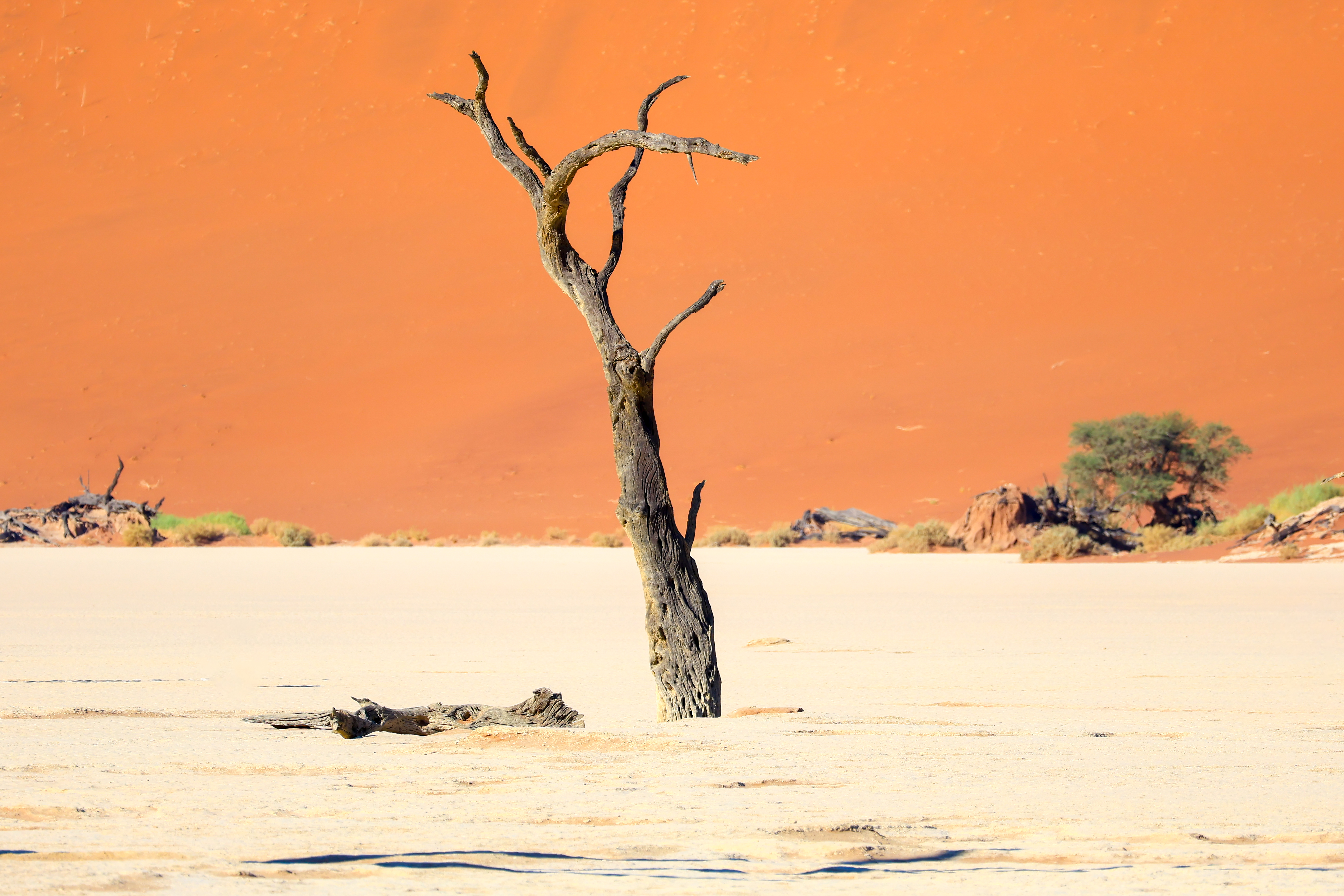
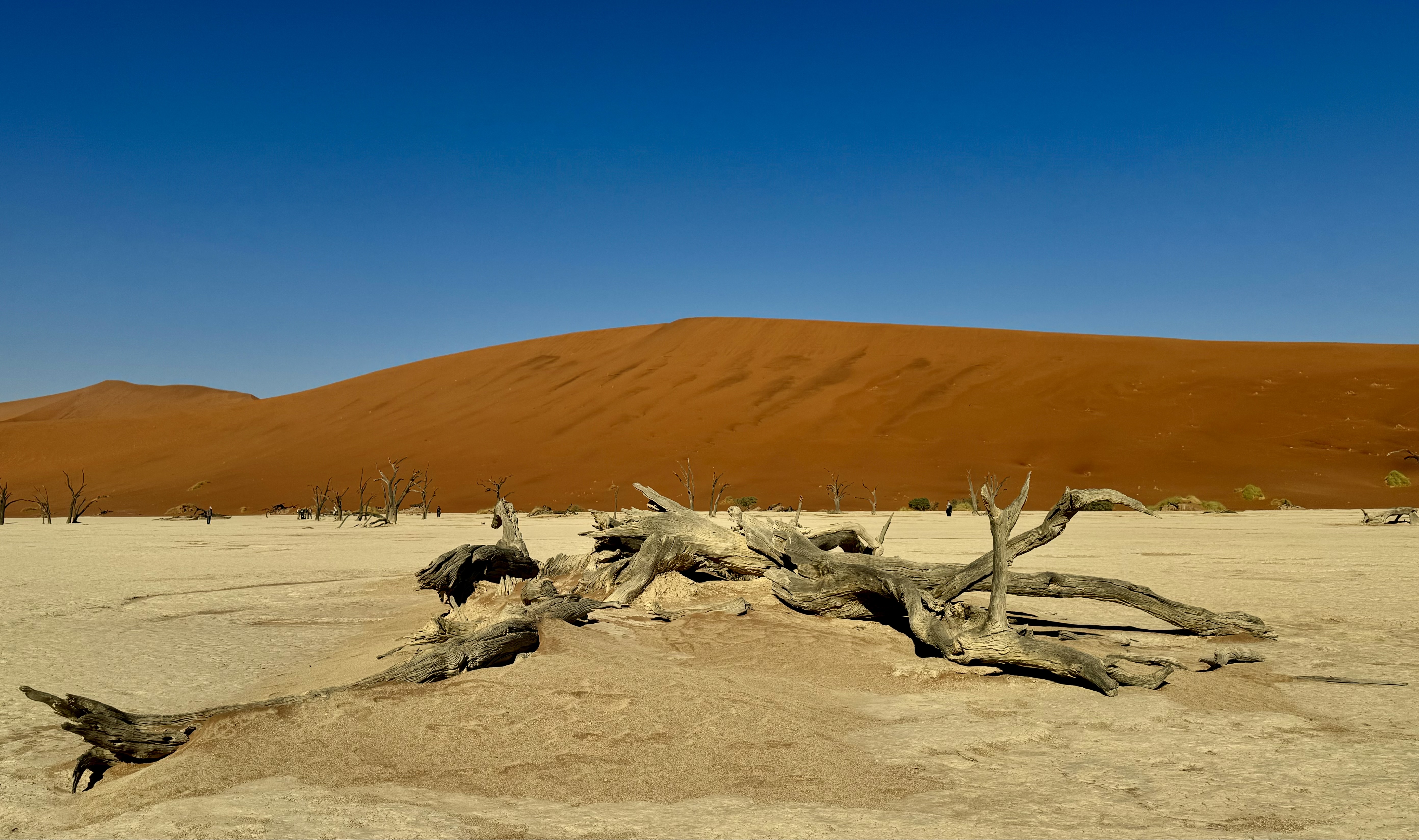
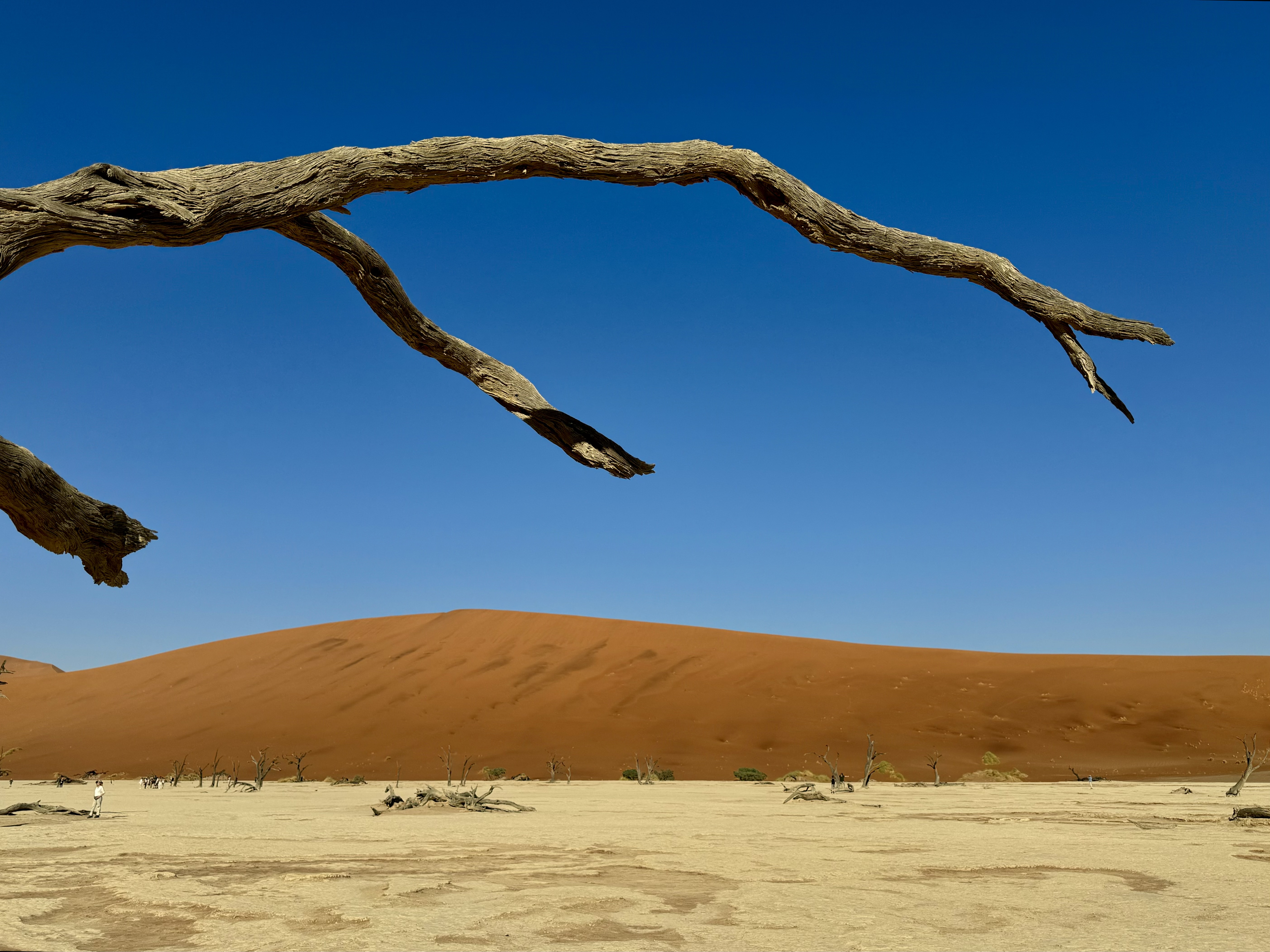
Sossusvlei literally translates to dead end marsh. It’s an apt description. Once there was a marsh here, now it dead ends into sand dunes.
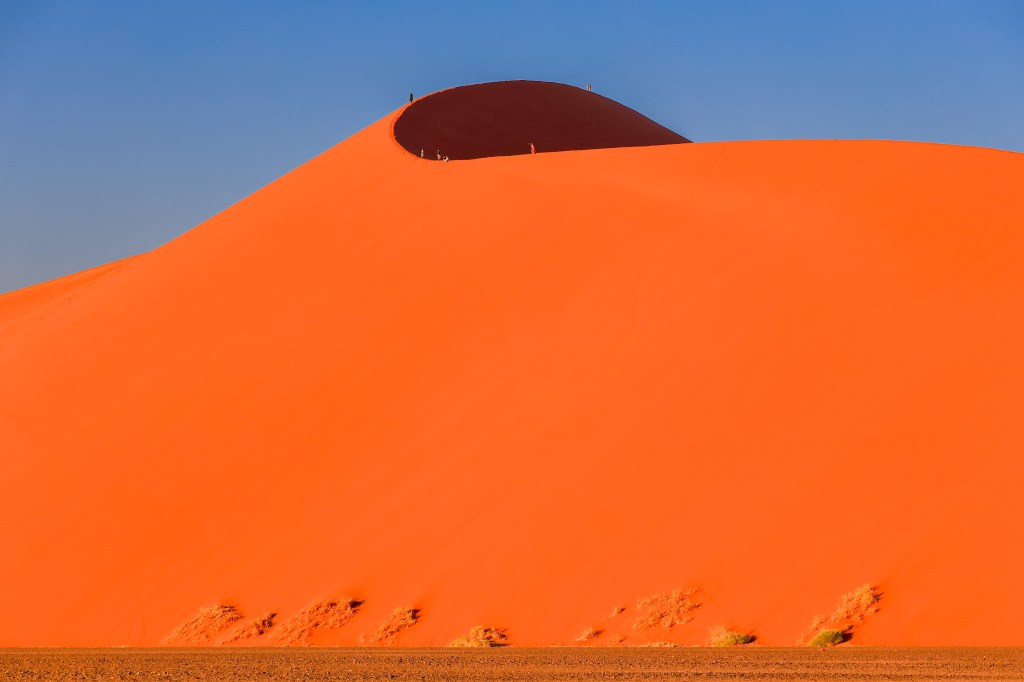
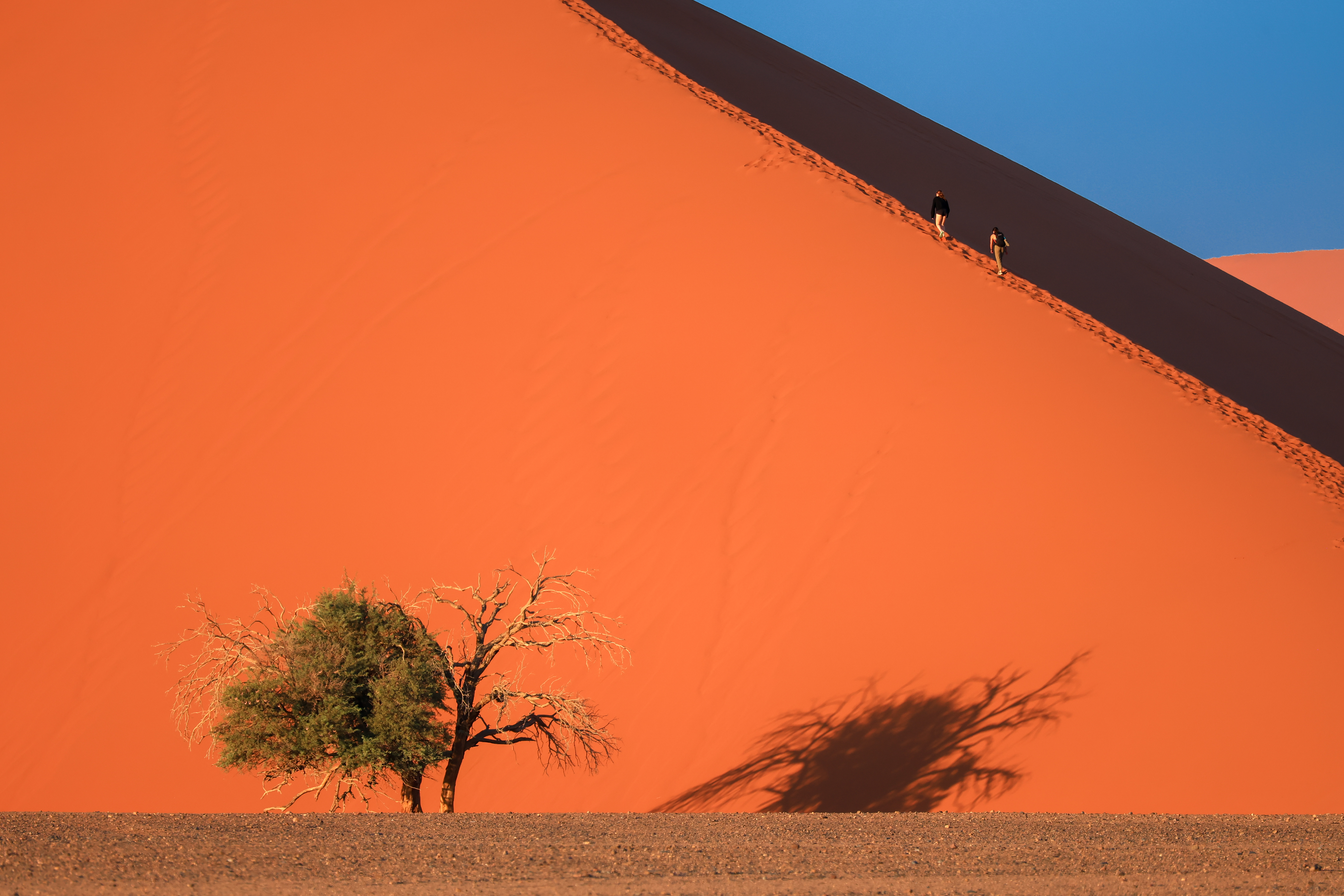
The sand doesn’t belong here. It actually originated in South Africa and was carried to the Atlantic by river systems in that country. The current from Antarctica pushes the warmer (less dense), sandy water north where it washes on Namibia’s shores. Wind blows it inland. All the sand you see in the images below arrived via this process. It’s an enormous amount of sand.
A change in the climate millions of years ago reduced the water that drained from the nearby Great Escarpment. The water went underground, and the sand colonized everything above ground. This has been going on for 50 million years, which is the age of these dunes.
What belongs here is limestone and sedimentary rock. The Great Escarpment used to be the shore, then ocean levels dropped exposing the sea floor. Life flourished here in the marshes and shallow seas which were created by the decrease. But nothing stays the same. The temperature rose or the water stopped flowing, and the desert began to spread. I look at these dunes like fat tissue in the human body. The sand accumulates over other structures. It fills in places, and by doing so alters the flow of rivers and migrations of animals. It affects the wind patterns. Like fat, it quickly (over the course of eons) grows out of control. Once in place, it resists leaving creating a feedback loop by altering systems.
Drive On
In the video below, I took time lapse of our drive. The dark limestone is the original rock, whereas all the sand you see is the accumulate fat tissue choking the land. We’re driving in the ancient river bed, which still flows underground and still supports a small amount of hardy vegetation. Early in the video you can see the balloon safari, the one we did, taking flight.
I apologize it is jumpy. Unfortunately I lack the software to smooth it out.
Stills

 Cleared for Departure
You must be logged in to post a comment.