
Like the United States, modern day Mexico is a hodgepodge of ancient civilizations that inhabited its territory since Homo sapiens crossed the Alaskan land bridge and populated the Americas. Things were, more or less, stable (meaning humanity’s usual God-awful behavior) until Europeans arrived and upset the taco cart. We are familiar with many civilizations like the Aztecs (in central Mexico) and Maya (in the Yucatán Peninsula). Others included Zapotecs, Mixtecs, Toltecs, and Olmecs are less well known but had a massive influence on the region dating back to 1500 BCE.
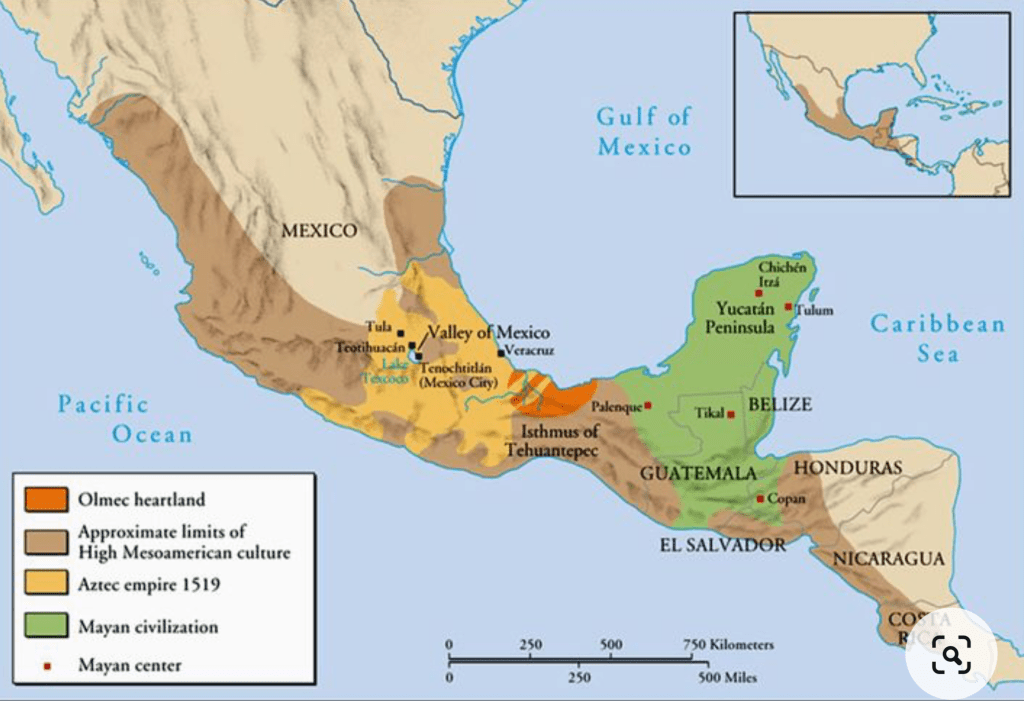
Cortez finished off the Aztecs in 1521 by capturing and mostly razing Tenochtitlan, upon which Mexico City is now built. The story, which I won’t cover here, is a wild one worth reading. Sadly, Cortez was more into shock-and-awe than historic preservation. The last Mayan city fell in 1621, long after the Spanish had moved into the region.

Mexico is overwhelmingly Catholic. You’ll recall from Series 13: A Spanish Holiday, the Catholics decided to evict all the Jews and Muslims from Spain during this same time period. Religion helped the murder go down easier but the move was economic — the Jews and Muslims controlled much of the early Spanish economy and thus held great power, which annoyed and threatened the Pope.
Mexico’s Catholicism was an unexpected result of that purge, as it was the Spanish Catholic missionaries who showed up to spread the good word. By the 16th century Spain eventually came to control a huge portion of modern day Mexico and the southwestern U.S., which we took in the U.S.- Mexican war in 1846. Mexico gained its independence in 1821 but the Catholicism stayed. I suspect without instant communication, like micromanaging emails and stupid weekly Zoom meetings, controlling such a large and remote area proved more trouble than it was worth.
History is written by the victors, and so 3,000 years of Mesoamerican history was casually neglected. Unfortunate, but common for the era. These early civilizations were advanced and culturally rich. Their religious traditions were wildly different than the Big Three (and their various iterations) we know and worship today. Archaeologists continue to uncover artifacts and even large sites, like temples, which were covered by centuries of jungle growth.
What persists is that modern day Mexico is a mixture of European Spanish and indigenous peoples who hail from these ancient civilizations. While Americans lump Mexicans into one large bucket, these ethnic divisions actually play an enormous role in modern day Mexican life. I know you’re not going to believe this, but the lighter skinned, Spanish European descendants have much more economic opportunity and wealth than the darker skinned, indigenous folks. Truly shocking. I was surprised to learn this myself.
Today Mexico encompasses 758,000 square miles. There are 36 UNESCO world heritage sites, the most of any country in the Americas and 7th worldwide. There are 200 volcanoes (the most of any country), and approximately 50 are considered active. 126 million people call Mexico, named after the Mexica tribe which later became the Aztec Empire, home. This is approximately two times the population of France, occupying an area thrice its size. 21 million live in Mexico City, one of the most populous urban areas in the world. Like the U.S., Mexico is divided into states. We are visiting the state of Baja California Sur, which translates to lower southern California. The “lower” refers to terrain, as in closer to sea level, and not position on the globe. Alta California became California, Arizona, and New Mexico, which are more mountainous. Baja California is the Mexican state in the middle, directly adjacent to the U.S. Mexico border.
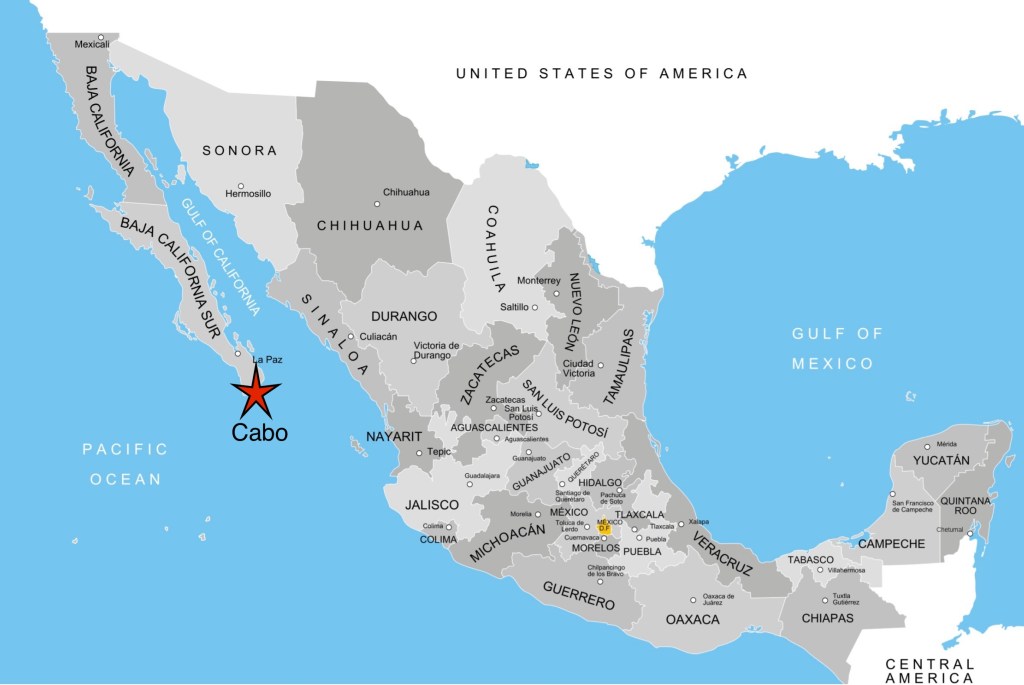
About a million people live in Baja California Sur, which is similar in size to South Carolina, though the Palmetto State has a population five times larger. The capital city is La Paz. As we will learn, tourism is everything here, and everyone is on the take.
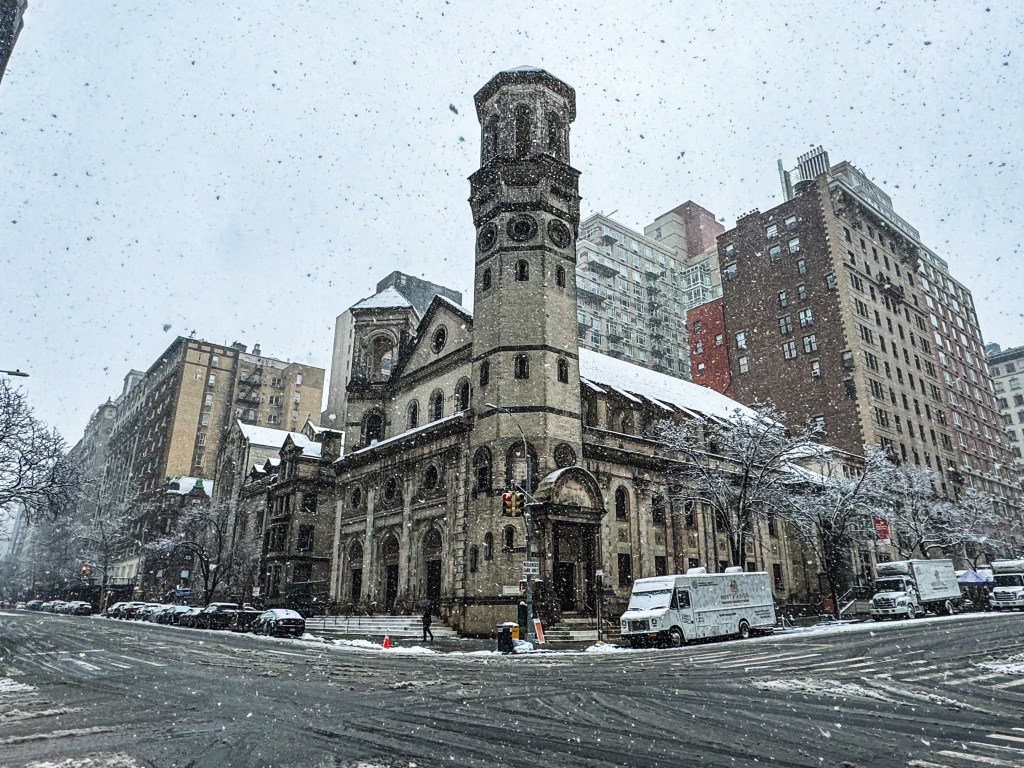
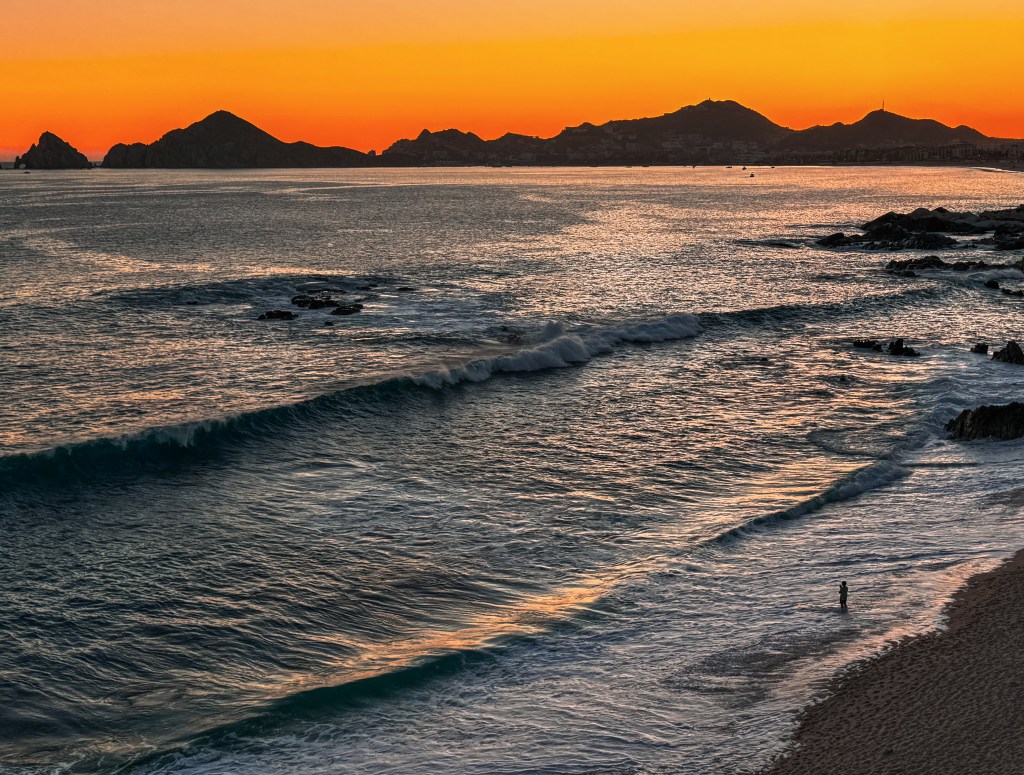
What a difference a day makes.
 Cleared for Departure
You must be logged in to post a comment.