
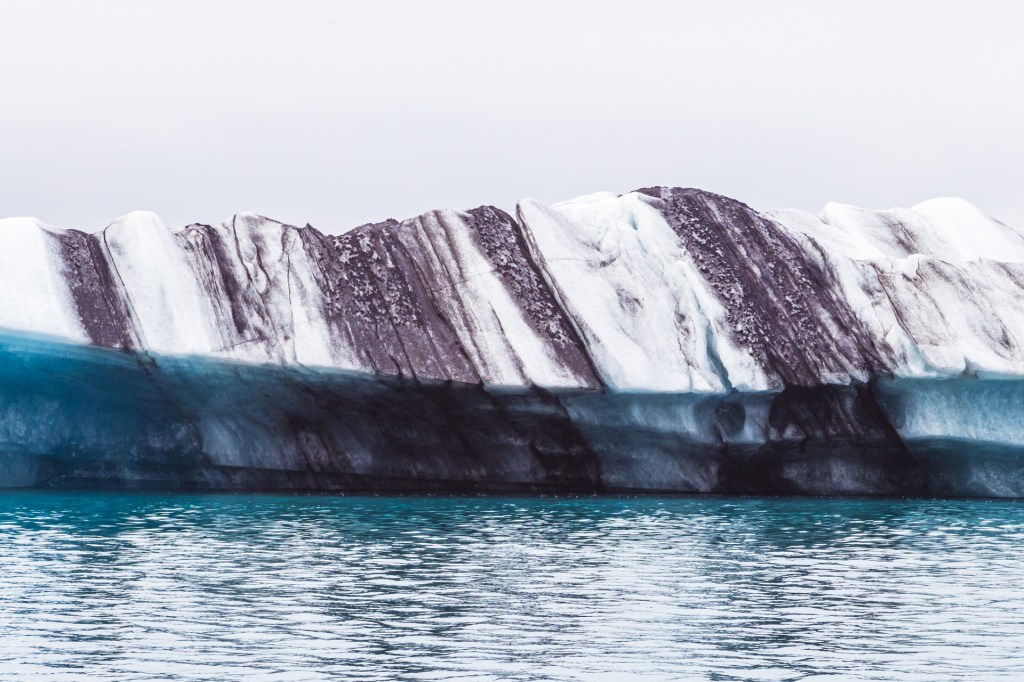
I forgot to mention other ways to see Iceland.
One is by bike. It’s similar to driving with three notable exceptions. One, things pass by much slower. Two, the power for forward locomotion comes from you and not fossil fuels. This requires planning for constant refueling. Three, there is no climate control. The climate is uncontrolled. Expect constant dampness.
I guess there’s also the added benefit of annoying the piss out of hundreds of people in cars who must slow way down and carefully pass, since an accident would surely ruin their trip and damage the rental car.
Others hitchhike. It’s a good bet someone is going your direction, as there are only two: counter-clockwise and clockwise. That’s the benefit of a circular road.
Some people rent road maggots (RVs) and bring their lodging everywhere they go. There are many different sizes, shapes, and types to rent. Van life and Instagram for the Influencer win! Look how off the grid I am! I woke up on a cliff overlooking The North Atlantic. My life is amazing, and you can too! Just like and subscribe to my blog. Yes, I see the irony of that last sentence.
Unfortunately many places prohibit overnight parking. Usually the portable dwelling travelers sleep in grassy parking lots along the road. The surrounding views are sublime, but what you most overlook is your neighbors and their portable dwelling. Some have communal showers and bathroom facilities. So, that’s an amazing experience to keep close to your heart.
Regardless of your price point and level of adventure, be it yachting or walking, there are many ways to explore Iceland. Choose wisely.
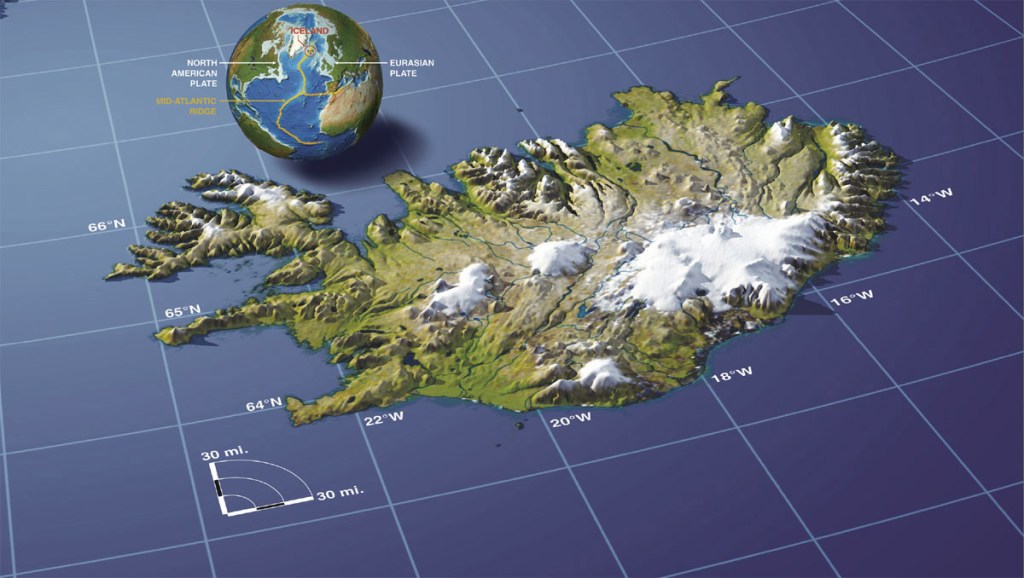
Before we depart Vik and head west, I have some final thoughts about glaciers.
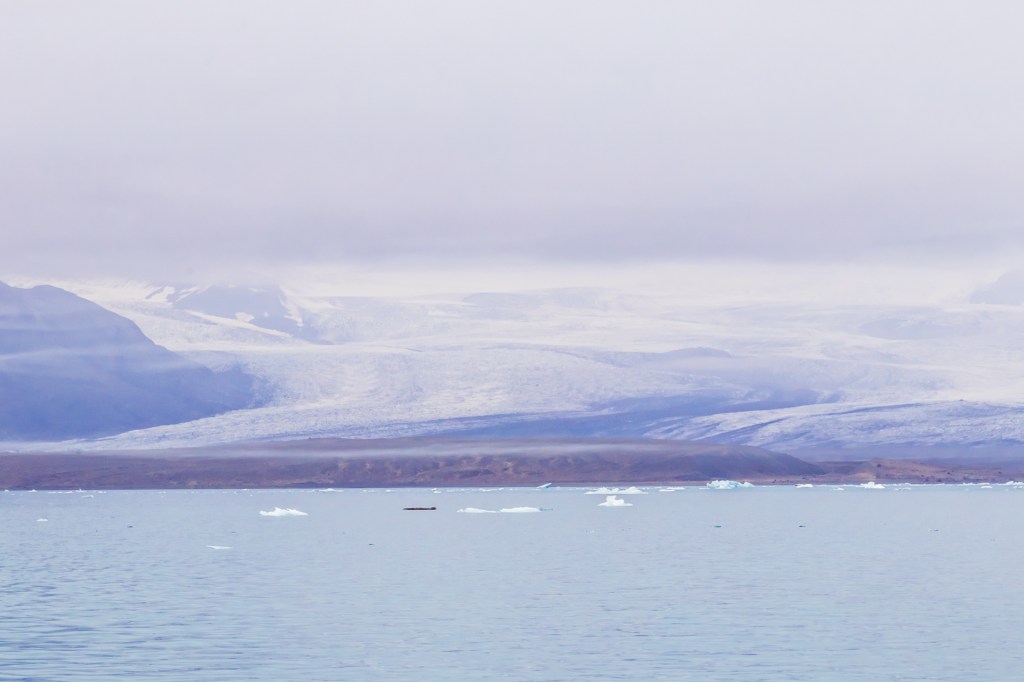
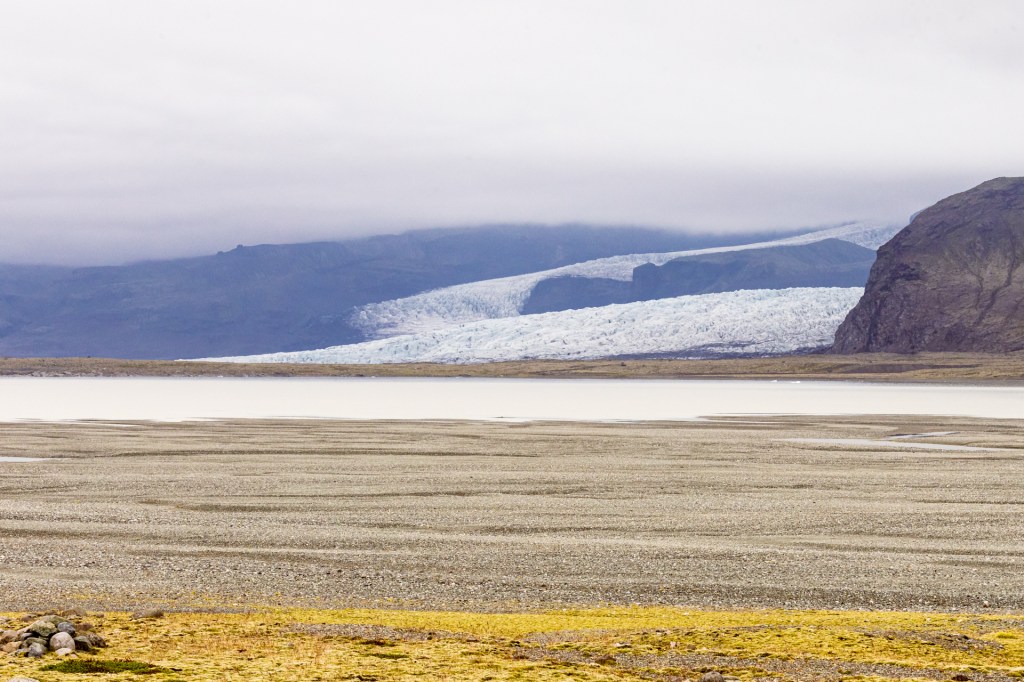
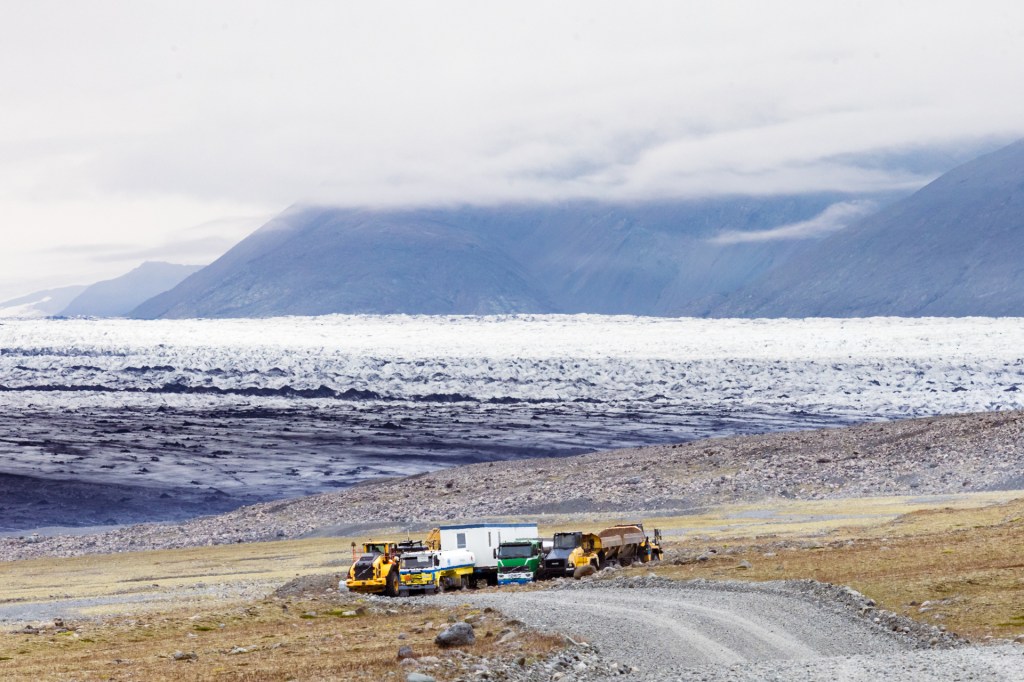
Taking pictures of glaciers never conveys the experience of being near them. It’d be like taking a picture of the face of God. How could that ever accurately portray Him? Still, I try.
Even describing a glacier is inadequate. Being near them is more of a feeling. They create a distinct breeze that is cold and dry. They stand out from the surrounding landscape, looming high above us, often obscured in clouds. They move differently. Large glaciers create their own weather. They respond to external stimuli. They grow, adapt, shrink, live, and die over the course of centuries. They are massive entities weighing trillions of tons. They forge landscapes, destroying here but building there.
And yet … they are fragile things. A single animal can chip away pieces of one, while a single ape-like species an iota smarter than a fruit fly can accidentally slow roast them out of existence. Curious, right? How can something so powerful, so old, so magnificent, so instrumental to how our world formed also be so frustratingly delicate? They defy easy categorization.
Life is maddeningly hard to define. Viruses aren’t alive, they just replicate ad nauseam and destroy everything in their path in the quest of perpetuating their genetic code. This strikes me as eerily similar to humans, but we are considered alive. I think that’s generous. I also think a case can be made for glaciers as living entities. They’re more useful than mosquitos, also considered living, which makes eradicating them morally problematic.
So visit a glacier, any glacier. Make the pilgrimage. Bask in its breath and feel time slow around you. Feel it reach for you, and listen to what it says. They have so, so many stories to tell — about us, about the land, about our planet. Someday soon, they’ll be gone. It would be a shame if you missed your chance to say hello and hear what they have to say.
 Cleared for Departure
You must be logged in to post a comment.