
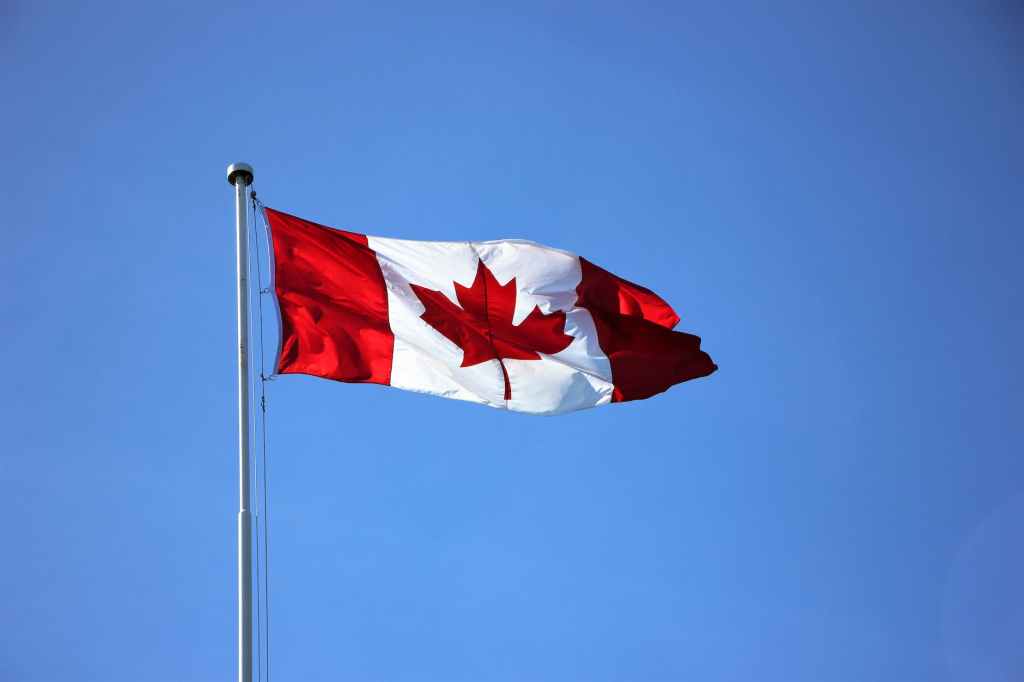
Canada is the second largest country, clocking in at 9.8 million km2. Russia is the largest, while trying — and largely failing — to grow by invading other sovereign nations. The contiguous lower 48 states by comparison are 8 million km2. Texas would fit inside Canada 13 times. Canada occupies about 6.75% of the Earth’s available land, while holding a population slightly smaller than the state of California. Parts of Canada have likely never been visited by humans.
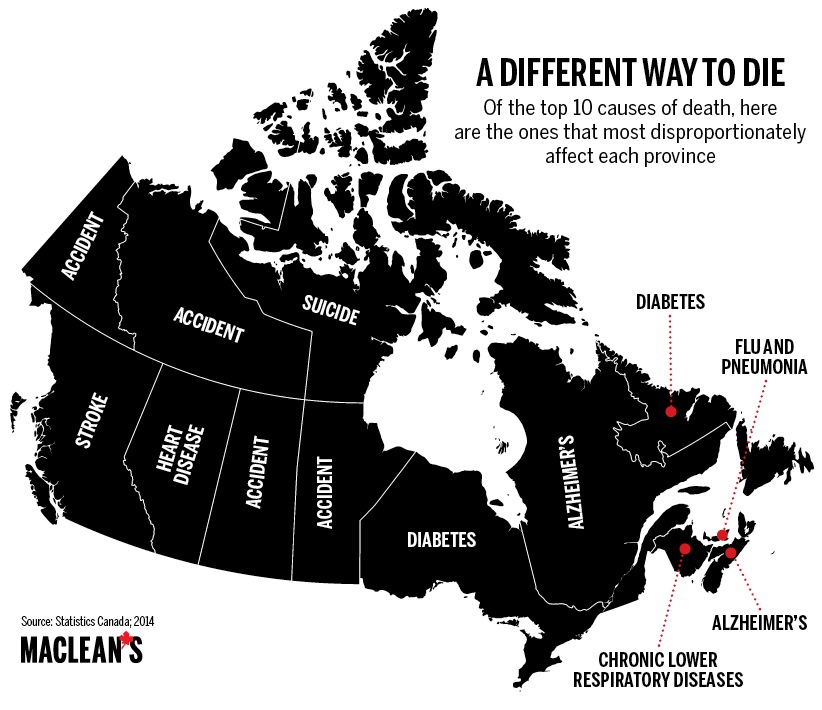
The population of Canada is roughly 37.5 million people, or double the size of the metro New York Area (which holds about 19 million people as of 2020). Or about 3 times the larger than the Los Angles metro area if you prefer a West coast metaphor. Over 90% of the population lives within 150 miles of the US-Canada border, and it isn’t because Canadians love us. The population tended to cluster closer to the middle latitudes because people preferred settling there. It’s easier to live.
Much of Canada is really cold. Winter in Northern Canada can last eight to eleven months, and the summers aren’t exactly balmy. The coldest recorded temperature was -63 degrees Celsius in 1947. Yes, but how cold in Fahrenheit for comparison, I don’t speak Celsius? Doesn’t really matter, does it? It’s still life threateningly cold. Replacing a blown tire or working outside is no big deal during a Kansas winter. Uncomfortable, sure, but you’ll live. In Yellowknife, a northern Canadian city, try the same activities when it’s dark, -50 Celsius, and windy. Whole different experience.
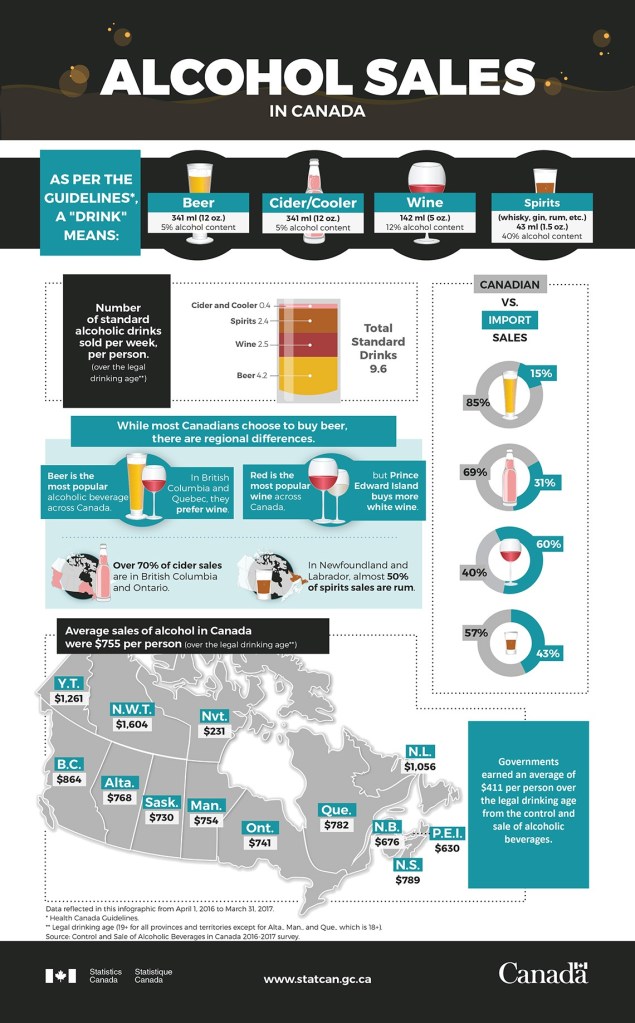
Agriculture is also much easier in the middle latitudes, and people tend to settle where food is easily available. After all, can’t grow much when it’s twilight or dark for some huge percentage of the year. Keeping animals from freezing to death would require enormous amounts of calories, which you can’t grow (see above) or buy (no people mean no markets), all to produce meager looking cattle you cannot sell (because nobody wants emaciated cows). Modern Canada does have industrial farming and animal husbandry in the middle parts, north of the U.S.’s flyover country. Thanks to gene editing, many grain crops can be tweaked to better grow in colder climates or with less sunlight. With easier access to food comes the ability to grow animals for slaughter.

I am a creature of the middle latitudes. Most of us are. One thing people who live in the middle latitudes cannot appreciate is how extreme heat or cold can change relatively routine things. Our lovely middle climate doesn’t affect our behavior or economy all that much. Only recently have major storms (that are bigger and wetter like Hurricanes Ian, Sandy, and Harvey), fires (in the U.S. West, Spain, and France), deadly heat waves (India), or unusual cold snaps (in Texas) brought climate change to our doorsteps in our once comfy temperate zone. It’s getting harder to politely ignore.
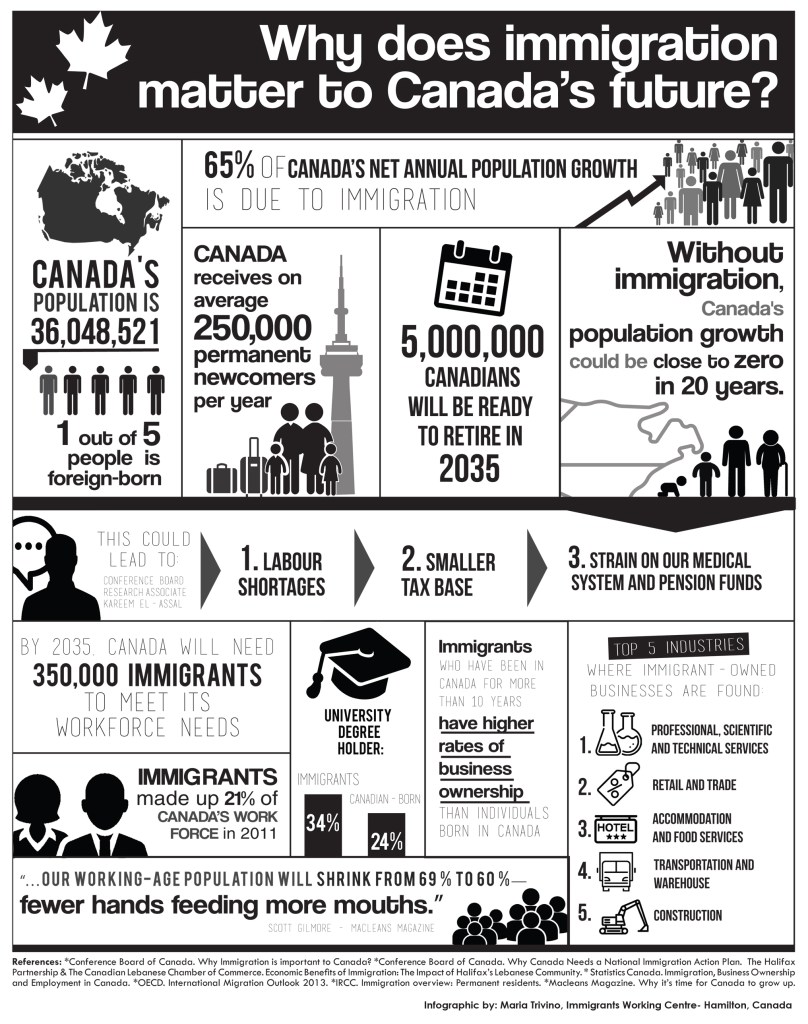
In a warming world, climates conducive to growing food should migrate away from the Equator toward the poles. In fact plenty of data shows that is exactly what is happening. It’s happened before. Two thousand years ago Damascus was known to be one of the most beautiful cities in the world. Libby was the breadbasket of the Roman Empire. Now? Heat, sand, and decay. The food of the 22nd century will likely be grown in Canada, Northern Europe, and Northern Asia, as the current food generating regions at lower latitudes become too hot, too wet, or too dry. With its abundant mineral wealth, water wealth, small population, and oodles of available land the future of a warmer world belongs to Canada. Immigrate soon. Your progeny will thank you.
 Cleared for Departure
You must be logged in to post a comment.