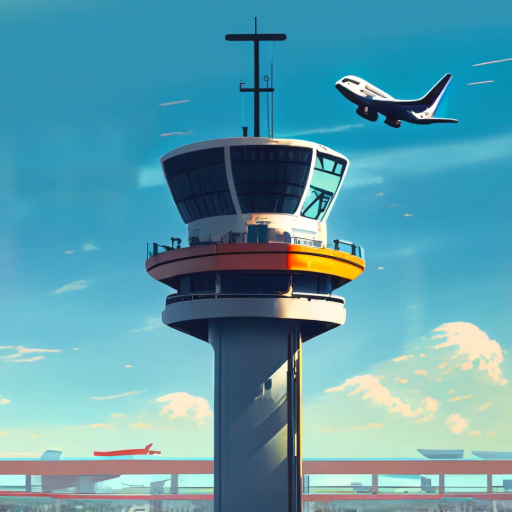
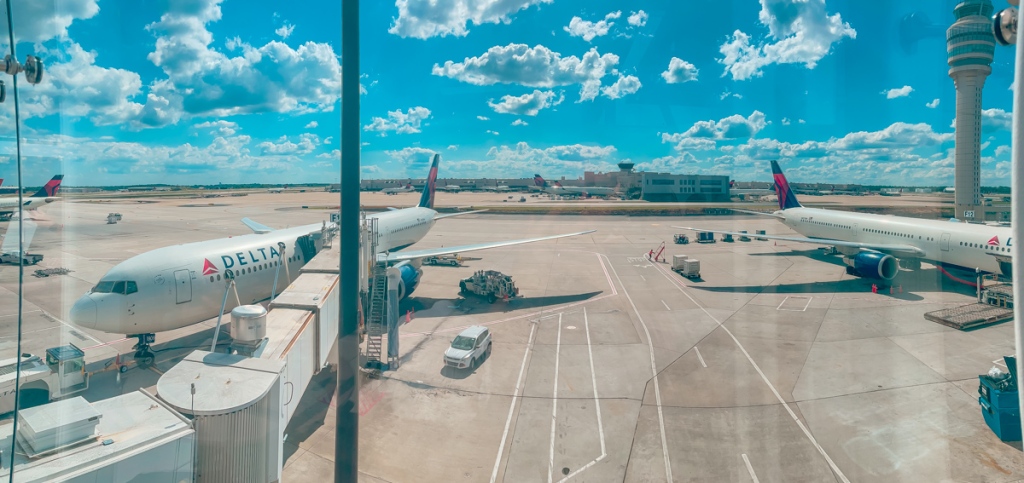
Hello from Atlanta, home of Delta Airlines, Coca-Cola, and Hartsfield-Jackson International, the busiest airport in the world.
Atlanta has a rich and storied history. We will explore none of that history in this email. However, while paused here, I would like to address something I know is on all our minds: Did Coke originally contain cocaine?
No.
Well, a little. It’s actually quite complicated.
John Pemberton, an ethically flexible businessman and dubious pharmacist, invented the drink in the late 1800s, during a time when many (now illegal) drugs were used in “medicinal” tonics. The Coca-Cola Company was 20 years away, but Pemberton’s original elixir did include some amount of the narcotic. Exactly how much we will never know. Incidentally, he died an addict. His son did, too. So it probably included more than is healthy.
When Coke became a business, it was clear to all involved the cocaine had to go and the syrup was tweaked for mass consumption. Chemists left trace amounts of ecgonine to preserve the rights to the name, the coca in Coca-Cola. Ecgonine is an extract from the coca leaf that is a chemical precursor to the refined cocaine we all know and love today. It is not nearly as potent or addictive as actual cocaine. Some cultures chew on coca leaves to relieve altitude sickness or as an analgesic, ground into a paste like chewing tobacco. Hardly a party drug, though like caffeine it can be habit forming. In 40 olympic-sized swimming pools (which put end to end would reach over a mile) of syrup was the equivalent of 1/6 a teaspoon of ecgonine, or about the weight of two paper clips. You swallow more bugs in your sleep annually.
Speaking of caffeine, that, too, was added in enormous quantities. 4 times more than today’s formulation. This is really what gives Coke its infamous kick and always has. The Food and Drug Administration raised more a stink about this than the ecgonine, after they realized there was not enough coca to warrant censure.
Another stimulant, the “cola” part of the name, is kola nuts. They taste bitter, hence the reason buckets of sugar were needed. It hid their unappealing flavor. Given all these stimulants, we can understand why Coke was instantly very popular in a world awash with alcohol, a mild depressant.
So Pemberton’s original formulation did have cocaine, but Coke, as a product from The Coca-Cola Company, had only trace amounts in quantities barely enough to measure (much less get high), until the 1930s when new chemistry techniques allowed all of it to be deactivated. There are plenty of reasons to avoid habitual use of dark sodas. It’s just “riding the white horse,” “snow blowing,” “bumping,” “the breakfast for champions,” and “enjoying a double bubble,” is not (and never was) one of them.
Interestingly only a few people know the ingredients and full recipe for the syrup. It is supposedly written down and secured in an undisclosed Atlanta bank vault that only two people can access and only then with full Board approval. For reasons beyond my understanding of chemistry, the formula cannot be reversed engineered. Most people think it is this recipe found written in Pemberton’s notebook.
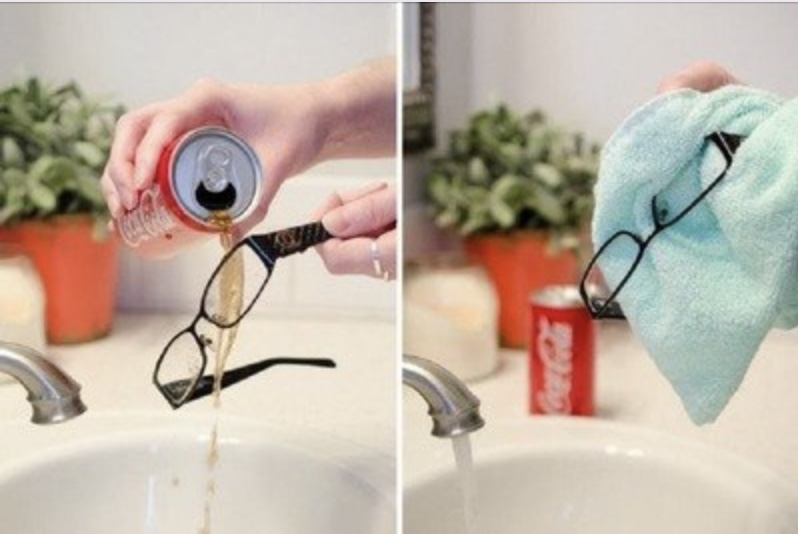
The Coca-Cola Company denies it, and surely in the 100+ years since, the formula has been tweaked. I suspect the sugar content varies by delivery method and geographic region. Coke’s “illicit” past and the secrecy behind the actual formula are marketing theatre. It works well. As long as consumers *think* there *might* be cocaine or something else mystical in the syrup, then the secrecy is doing its job, adding to the allure of the product. Why else would people be washing their hair in Coke unless it included magical, unknown ingredients with hidden powers? There aren’t any, people are just dumb. The “flavor” part of the syrup is a minuscule amount of the overall volume, which is overwhelmingly water.


For more information on the fascinating history of Coke, read Frederick Allen’s book Secret Formula. If you’re ever traveling to Atlanta, be sure to visit The World of Coca-Cola, an unforgettable celebration of capitalism, marketing, and raw corporate power. At the end of the tour is an all-you-can-drink bar of Coke products from around the world. It’s mostly kids, though, getting high on sugar.
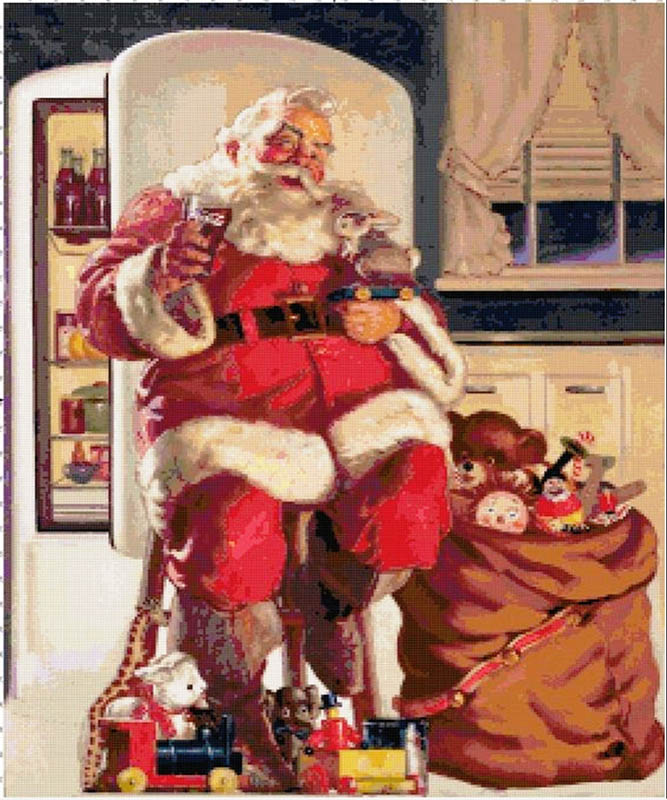
Well, not really. Don’t tell parents this, but “getting high on sugar” has actually never been observed in double-blind, placebo controlled studies. What’s actually happening? Turns out the answer is complicated, and it’s this idea of overlooked complexity that attracts me to these types of stories. Science, human health, behavior, politics, virology, economics, medicine, diet, even a silly soft drink’s history can turn out to be more nuanced upon closer inspection than we ever assumed possible. I’ve learned to be leery of those who provide succinct answers. You’re probably being sold something, being asked to vote for someone, or watching cable news.
From Delta 200 — departing Atlanta, heading east across The Atlantic Ocean — good night.
 Cleared for Departure
You must be logged in to post a comment.