
We cabbed back to the airport to rent a car and drove to Dobele, about an hour away from Riga. The town has an annual lilac festival, with concerts, music, flowers, and rides. It reminded me of State Fairs back home, with less fried food. It’s a big deal here, but not a large tourist draw. We found ourselves the only English speaking people around. Really we’re the only foreigners, and we got strange looks. Locals (in a non-malicious way) looking us once over and wondering with their eyes, “What the hell are you doing here?”
Somehow, and I’m not sure how, they know we’re Americans. It has to be how we dress. New Yorkers tend to wear dark colors, where as people here wear bright, saturated colors. The cut of my pants is looser. Women tend to wear very tight fitting pants and the men slightly less so. I find this odd because by American standards, my pants are considerably more fitted than my compatriots. Mom is wearing comfortable flats, which may also give it away. Shoes for men and women here are sturdy, substantial things. Heels are thick and loud.
I am not bothered by looking like who I am, however, I am curious how I inadvertently give myself away. In the car ride home, mom and I marveled how adept the human brain is at noticing minute, inconsequential differences to make judgements about who is who. Surely this must be some evolved trait that was useful ten thousand years ago.
Dobele is a small town of about 10,000 people. About 15% are Russians, which is not insignificant. We are a ten hour drive from Moscow, and only maybe two from the border. Spotting the Russians was not difficult, speaking of noticing small, inconsequential differences between people. They were older, dressed differently, and spoke zero English. I mean none. Most Latvians can get by conversationally for a few minutes.

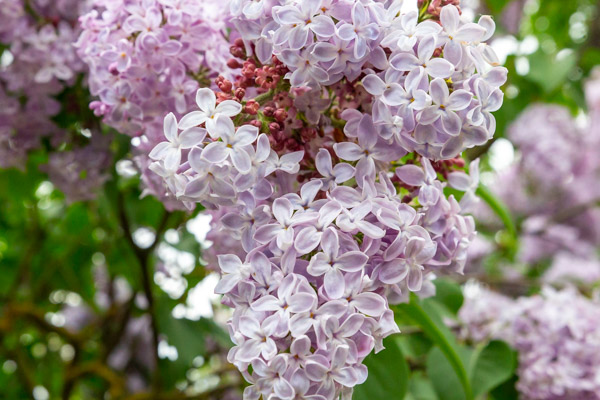
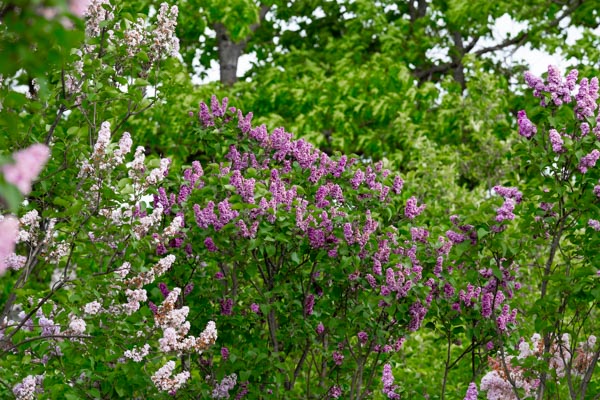
Peteris Upitis founded The Peteris Upitis’ Garden and Museum. He was a scientist and lover of art. Now the facility belongs to the Latvian State Institute of Fruit Growing. Their mandate is to research ways to make plants (fruit trees and flowers specifically) become more winter hardy and grow better in Latvian soil. The lilacs were all different varieties. Behind them, rows of apple trees. (There’s also an apple festival in the Fall.) We also some some cherry trees, which were part of an on-going experiment looking at different watering techniques.
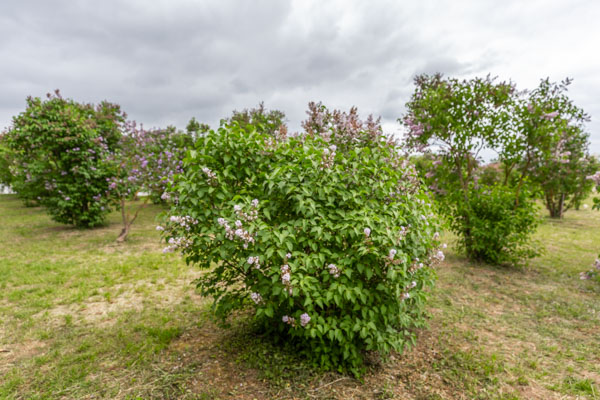
This country experiences an extreme amount of wind. I was simply impressed the flowers stayed on the plant. Conditions for photographing were tricky. Apart from the wind, it spit rain occasionally and the sun barely got through a thick, moody layer of clouds. The light was flat, shadowless, and extremely blue. At this latitude, I should have expected that.
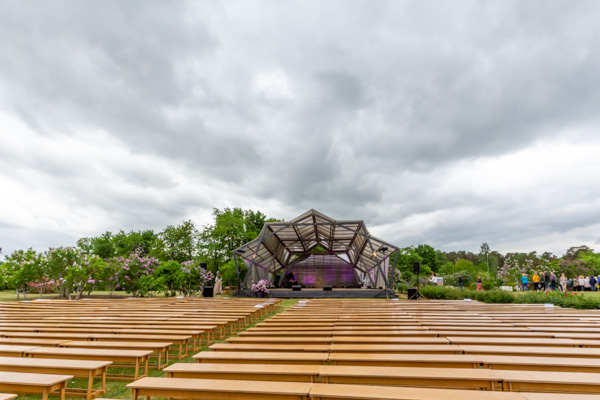


We wandered through central Dobele. It felt like everyone had been Raptured. The place was deserted, save a few workers dismantling the main stage and self-climbing truss roof. Every store closed, every restaurant shuttered. Maybe the entire town was hung over and in bed, since Saturday was the last, big night of the festival.
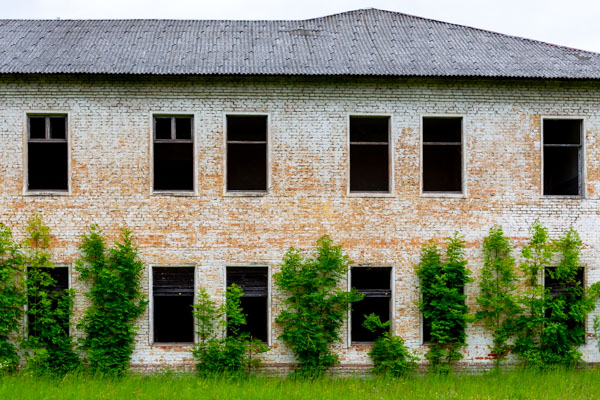
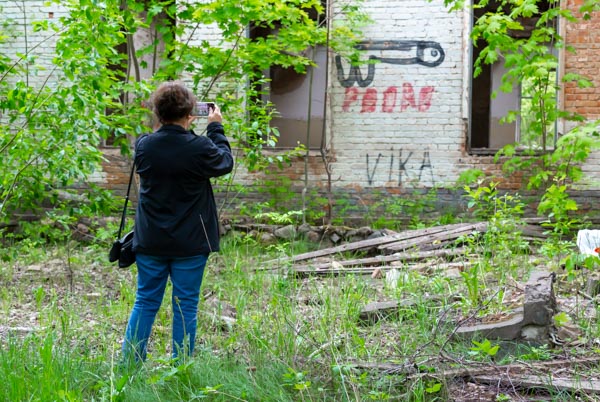
We happened upon an abandoned military academy on the out-skirts of town. Naturally when in a foreign country, we trespassed with reckless abandon and hoped nobody murdered us. We left the car close to the main road so they’d know where to look if we did get killed. I’m very practical.

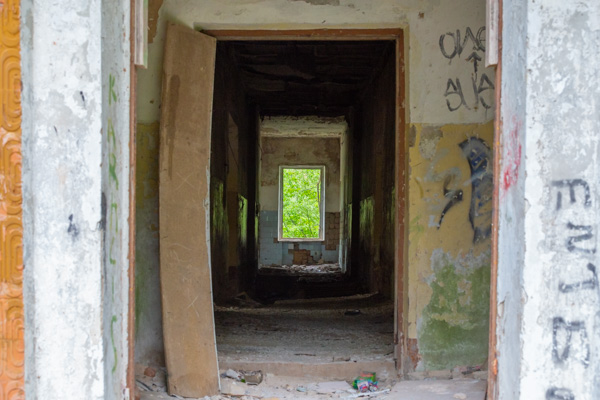
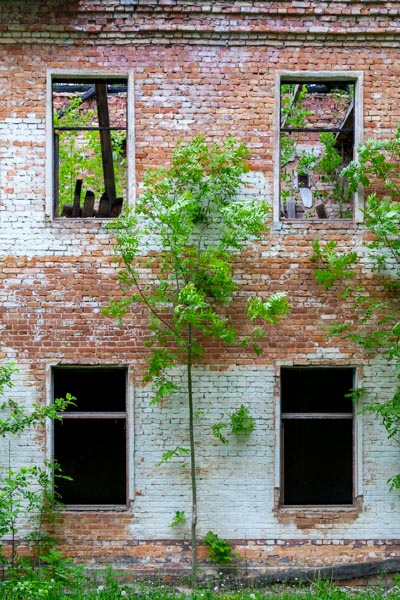
In most of the buildings, the roof had given way. Trees had begun growing, some quite tall. The first floors remained inky black. Everything but the roof was concrete. It’s not hard to understand how dirt and seed got up there, once you feel the omni-present wind. It picks up everything it can and carries it.
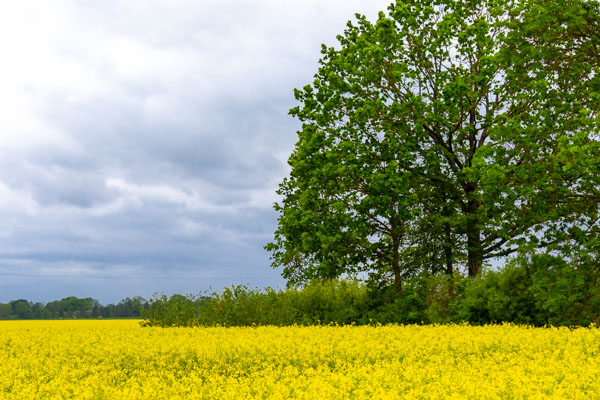
Having not been killed or mugged, we drove back to Riga. Along the way, we encountered massive canola fields.



We came back to Riga famished. Everyone having been Raptured, an open restaurant was hard to find. We ducked into a tex-mex place, mainly for the irony of it. Our brains made quick work of over emphasizing the subtle differences. The chips tasted more like Doritos, and the salsa was so sweet you could use it for sweet and sour pork dishes. But, overall, the gist was right on. And when you’re starving, a beer and burrito hits the spot in any country.
 Cleared for Departure
You must be logged in to post a comment.