I forgot the Ambien. RBD put them aside for me, and expecting me to be an adult, to pack them myself. I certainly failed that test.
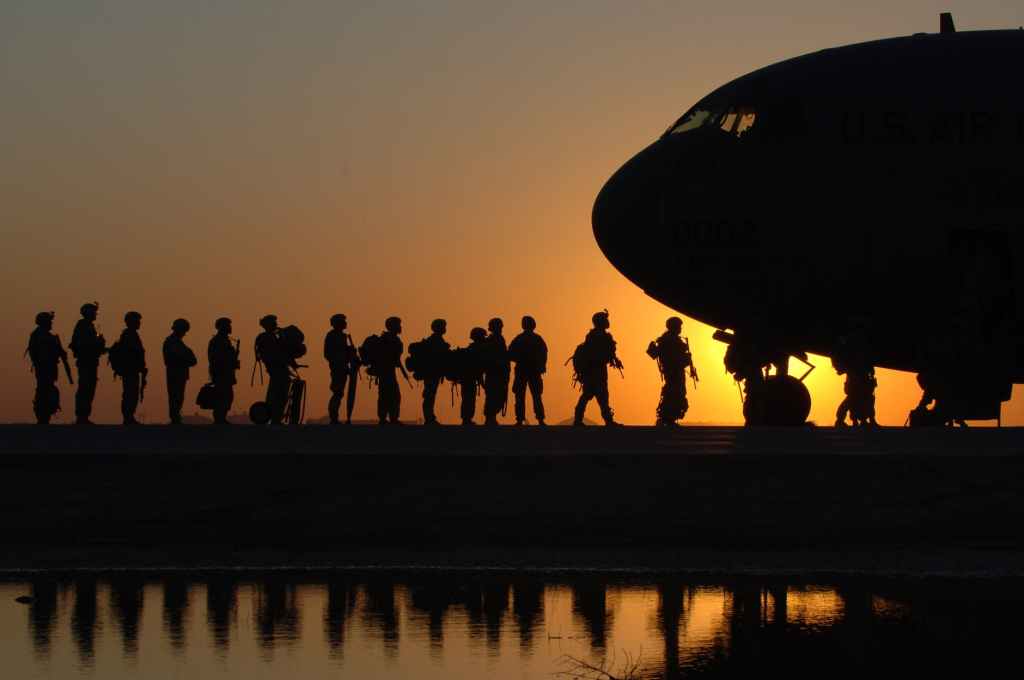
The flight was fine, even if I was awake for more of it than anticipated. The gentle bumps and light turbulence helped rock me to sleep. For whatever reason, I feel comforted by turbulence. I suspect it reminds me air has mass, which means a plane is flying through something with substance and not just aloft by magic. I had no seat mate, either. The plane was mostly empty.
After a very cozy rush hour Tube ride from Heathrow to Central London (the Heathrow Express was not working), I arrived at our hotel. The doorman asked, “Checking in?” I nodded. “Name on the reservation?” I replied, “Darcy.” A grin grew across his face. “Ah, Mr Darcy! You’ll certainly be very popular here in the UK.” I said, “High school English class was really tough for me,” and we shared a good laugh. It’s a joke I tell when people, usually literaray types, mention my name. As most of you know, Darcy wasn’t my last name during any high school English class. It’s sort of an inside joke with myself. And now you all.
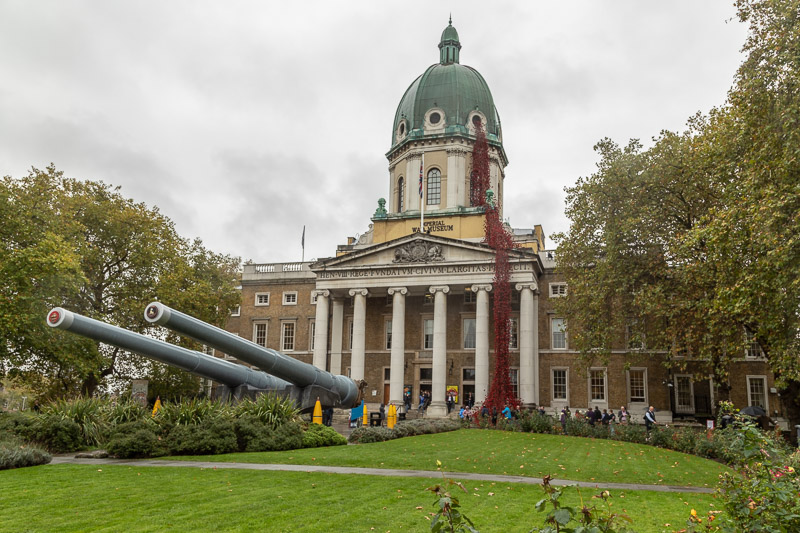
I dropped my bags and headed to The Imperial War Museum (IWM) London, located south of The Thames. There are several satellite locations throughout England. This is home base. The whole endeavor started after World War 1. During World War 2, much of the collection had to be moved to prevent its destruction from German bombing. This particular facility has been in use since the 1960s, and the mission of the IWM has expanded to include all conflicts the Commonwealth is or was involved with since The Great War. For example, on the main floor was a flattened car, intact but flattened by an IED in Iraq — the flowing, twisted metal a sinister reminder what a war zone is like.
I remember attending a Fleet Week celebration back home during Memorial Day weekend. We toured the USS Kersarge. Kids played on the deck guns, used the aquatic assault vehicles as jungle gyms, held and aimed unloaded sniper rifles and machine guns, sat in the pilot seats of helicopters, and overall had a really good time. The message: War is fun, and our toys are pretty fucking awesome.
This museum had very similar equipment, but the scores of school children weren’t playing. Or having a good time, but perhaps that speaks more to teenage milieu than any Great Truth. The curators here struck a considerably more reverential tone. This dichotomy speaks to how differently we experienced the world wars. For us, war and its effects happened “over there,” far away from our homes, and concluded in 1945. The End. Here, it all feels very personal and recent. There almost seems a collective and conscious effort to prevent the wounds from fully healing. Europeans pick at the scabs left behind. It makes me appreciate the EU and how difficult its formation must have been, and also helps me to understand how some members feel so betrayed by England’s choice to leave.

An ongoing exhibit at all the various IWM sites is The Poppies Tour. Each of these red flowers was hand made by a volunteer, meant as a remembrance of someone who died in World War 1. I saw this in New Zealand in Wellington’s Te Papa, their national museum. It serves as a powerful reminder how how many Europe lost, and how that loss is still felt.
By far the most interesting, and least crowded, exhibit was about the Holocaust. It starts open and bright, telling of how European society had started accepting Jewish culture. As the exhibit continues, the walls close in and it gets darker and darker. Hilter’s democratic rise to power is faithfully detailed. I watched several minutes of his speeches, impressed how similar his words and rallies are to today — catchy chants and all.
Further into the exhibit, the industrialized killing aparutus is fully detailed. Here the color temperature of the lighting changes to a clinical white. It’s jarring and meant to be so. A massive, 40’ model of Auschwitz sits, dominating the room. There is no color anywhere on the model — just blinding white — though the builder still imbued all the figures and buildings with exquisite detail. I noticed a discrete passageway which skipped this part of the exhibit, for those unable to handle the frank level of detail describing how the Nazi’s systemically killed 7,000 per day at this one particular location alone.
I never understood how any of this could have happened. It’s all too horrific to believe. German SS guards shooting children in the head because they didn’t jump off the sidewalk fast enough. Or, the Germans making the people they shipped (in cattle cars) to Auschwitz buy the ticket. (It cost 150 francs per “passenger.”) That seems particularly sadistic, though examples of such sadism abound. I used to wonder how it all happened. Given these past few years, I don’t anymore.
The exhibit concludes with the end of the war and liberation. The walls open back up, and there’s a gathering room to collect your thoughts or have group discussions. I reentered to a world filled with school children, a relief to see life again, though some resembled zombies staring into their phones. Still … life.
I toured BBC HQ with their head of lighting, Robert. More on that later. After a few pints with him (me having eaten my last, real meal over 30 hours ago), I stumbled to meet up with RBD for dinner. Date night in London! How fancy! Yah, well … we were in bed by 8 pm, too tired to even change out of our clothes.
 Cleared for Departure
You must be logged in to post a comment.