
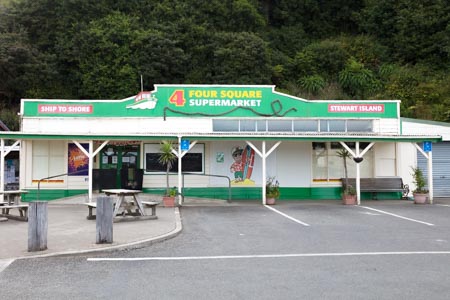
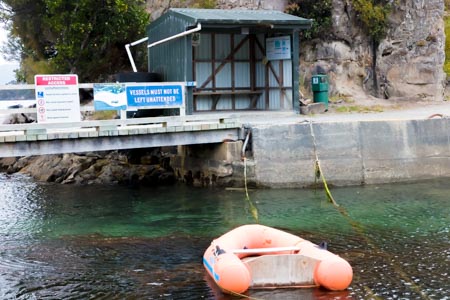
We departed Stewart Island early. I slept on RBD’s lap for most of the journey across, still quite tired from days of brief sleep. (Keeping the omnipresent light out was just impossible.) The ocean waves barely tossed us about, unlike going where several people struggled to keep their lunch on board.
We drove north back to Queenstown, which by this point had been overrun by the world’s twenty year olds, dressed ironically in Santa attire and mostly inebriated. All quite a spectacle. For the night we stayed in a newly built Ramada Inn close to the airport in a developing part of town. I watched planes take off from bed, which to me is a perk.
In Wellington — after landing — we got to chatting with the Hertz employee at the counter. His complaints were not unique. “Us farm boys can’t afford to buy houses, everything’s so expensive. And there’s just no money here,” he said to me. “My brother lives in Queenstown and pays 1000 a month for a terribly crappy apartment.” Let’s unpack some of this.
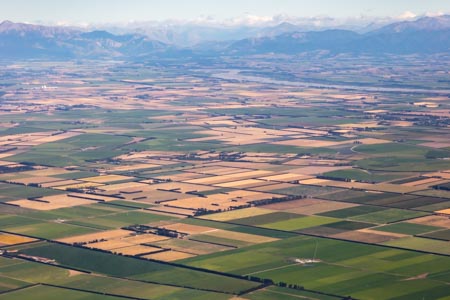
Are the farm boys leaving the farms? The data suggests a slow migration. About 86% of New Zealand’s population is urbanized (in the U.S. it’s 80%.) 86% is fairly high among developed nations. The rate of urbanization per year is roughly a single percent, similar to the U.S. I think this reflects more general trends. (In China that rate is 2.3%.) Except for Lithuania, the world is becoming more urban.
Is there, “… no money here?” The data suggests some truth. The GDP of New Zealand is roughly 190 billion. The U.S.’s GDP dwarfs that at 13.3 trillion. The GMP (Gross Municipal Product) of New York City alone is 1.3 trillion. The economy of New Zealand comparatively is a rounding error. In practice that means less choice, fewer economic opportunities, slower economic mobility, and less money circulating.
Paying extreme amounts for housing boils down to supply and demand, which have always tilted towards high demand in urban areas. This is exacerbated by foreign investment. Foreign folks keep pumping money into the real estate market. A few within that ecosystem (like developers and builders) make bank, but a lot of younger folks, like the Hertz staffer’s brother, suffer. I feel his frustration. The Russians and some African “Presidents” park their money in Manhattan real estate, which annoys the piss out of me.
At the beginning of this, I had asked if moving here later in our careers was feasible. None of this bodes well for that. People risk everything to come into the U.S. for the economic opportunities it provides. Even working illegally individuals earn so much more, it’s really a no-brainer to come. If RBD and I left the States, we’d be agreeing to a similar dynamic as New York in regards to cost of living while drastically reducing (on purpose) our earning potential. A smaller economy means less everything. Once here, earning New Zealand dollars, we’re stuck. That has to be okay.
We ate a Christmas late-lunch at Logan Brown, a lovely restaurant on Cuba Street, Wellington’s Bohemian enclave of coolness. Afterwards, with everything closed, we watched the Queen’s Christmas message and finally slept a full eight … a Christmas miracle.

 Cleared for Departure
You must be logged in to post a comment.